
Guide to GDPR-Friendly Document and Presentation Sharing
Tips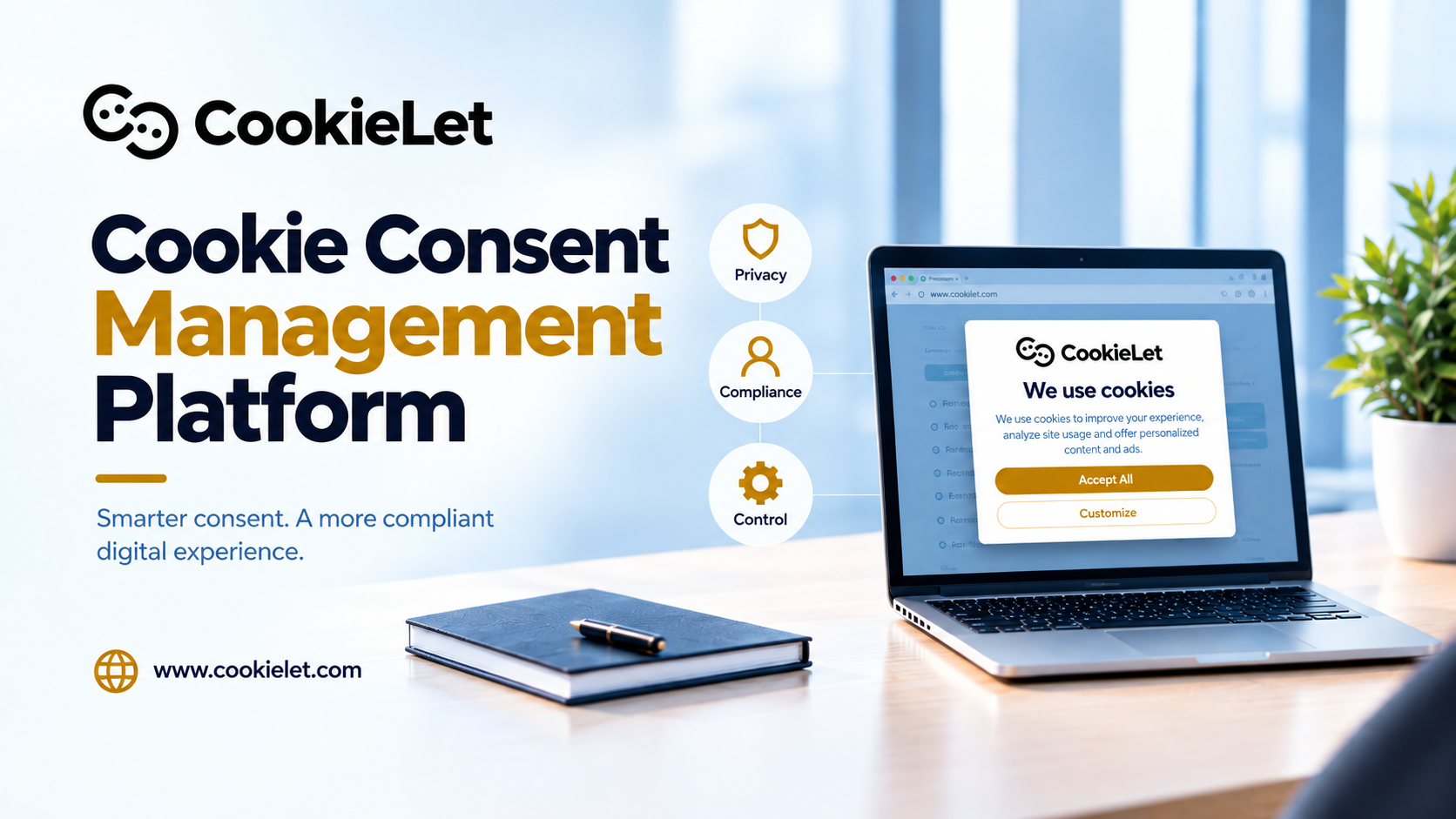
Introduction
File sharing is common practice in businesses. However, if the files have personal data or you monitor who opens them, GDPR becomes applicable.
Compliance with GDPR allows you to ensure privacy, share files securely, and prevent complaints or errors.
Why GDPR Matters When Sharing Documents
The GDPR helps protect personal data that includes names, email addresses, IP addresses, and viewer activity.
You may be required to adhere to GDPR when you:
- Exchange files with personal data.
- Monitor who opens/downloads your document.
- Gather viewer email addresses/access details.
- Utilize cookies/analytics on document exchange webpages.
You need to provide a legitimate reason for processing personal data and ensure its security.
Simple Ways to Share Files Safely
Follow these practical steps to reduce GDPR risks:
Implement the following measures to prevent risks under the GDPR:
- Exchange only required data: Discard any personal data that is unnecessary.
- Make links secure: Ensure the use of passwords, emails, and expiration dates when applicable.
- Manage access: Restrict access rights on viewing and downloading documents.
- Communicate openly: Let users know whether they collect data on their actions.
- Take notes: Write down the type of information exchanged and retention periods.
- Check third parties: Make sure that your data processors are compliant.
Don’t Forget Cookie Consent
If visitors access your website or portal to open files, cookies and trackers might gather information about you.
Under EU and UK cookie laws, non-essential cookies usually need consent before being used. The GDPR will apply where personal data is processed.
This is where a consent management platform can help you manage cookie consent on your website and document-sharing pages.
Your GDPR Document-Sharing Checklist
Before you share your file, ensure that:
- Any unnecessary personal information has been removed.
- You have a legitimate reason for processing any personal information.
- Only those with access rights have access.
- Your links are secure and set to expire when needed.
- Website tracking uses consent guidelines.
- A privacy notice and data processing agreement has been set up when applicable.
- Keep personal data only for as long as necessary to meet your business and GDPR requirements.
How Cookielet Helps with GDPR-Friendly Document Sharing
When sharing your documents on the web, cookies and trackers may be used to gather some visitor information. If your document sharing website uses non-essential cookies, then you should gain consent from users before turning them on.
Cookie consent management platforms like Cookielet will help you manage cookie consent on your website. The features provided by Cookielet make managing cookie consent easy for you to let your visitors know about the cookies and give them their consent.
You can manage cookie consent on websites using platforms like SlideServe using Cookielet.
Remember that apart from getting the cookie consent, GDPR compliance demands proper handling of personal data, protection of shared documents, and access control.
Manage the consent for cookies on your website now ! Discover more about Cookielet and what it offers.
Make Document Sharing Safer
GDPR-friendly document sharing doesn’t have to be complicated. Use secure sharing links, collect only the data you need, and make sure your website handles cookies and consent correctly.
Start by reviewing how your team shares files and how your website tracks visitors. A few practical changes can help protect privacy and build trust.